Vol. XVIII · Free shipping $75+ · Read the collection
Feature · Product Review
glutathione reduces toxicity of alcohol

glutathione reduces toxicity of alcohol and paracetamol are both processed through the liver. Paracetamol can form a toxic metabolite called NAPQI, which the body usually neutralises safely. But factors like heavy alcohol use, repeated dosing, fasting Ethanol Metabolism in the Liver,

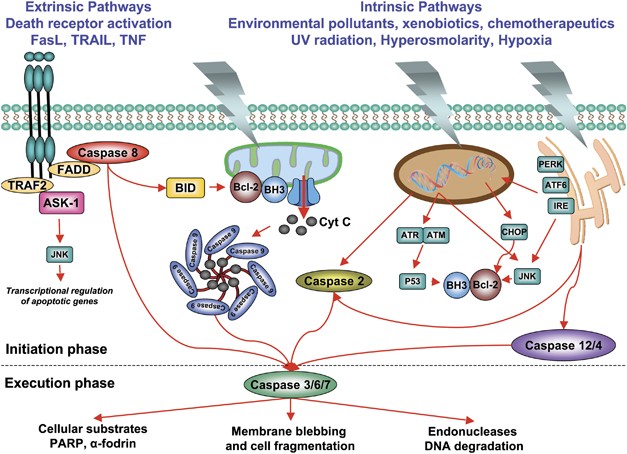
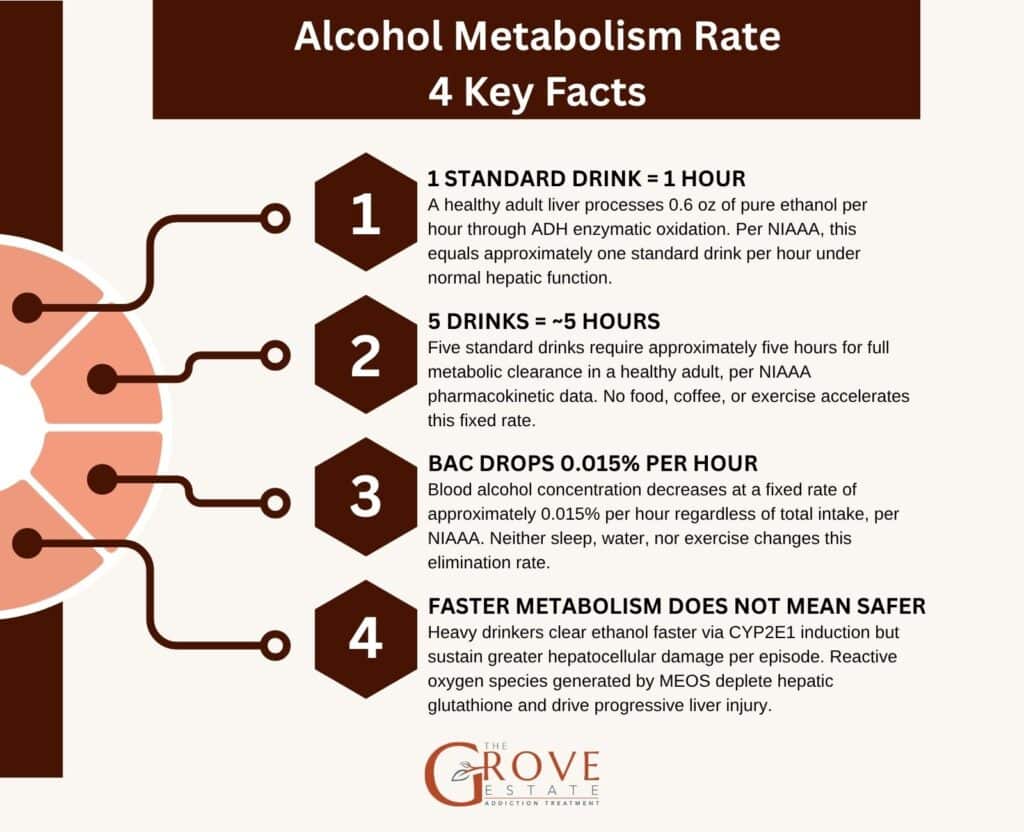
Ethanol Metabolism in the Liver, the Induction of Oxidant Stress, and the Antioxidant Defense System Frontiers Alcohol related liver disease (ALD): current perspectives on pathogenesis, therapeutic strategies, and animal models Apoptosis and glutathione: beyond an antioxidant Cell Death & Differentiation Hangover Fix Glutathione: What Happens When You Drink Alcohol Alcohol Metabolism Rate: How the Body Processes Alcohol

SKU: 1912025420 · From creatorsinfotech.com

4.6
USD24.23 USD55.23

Pay in 4 interest-free payments of $6.06 Learn more

Shipping Estimate
USA
  • USA
  • CAN

Ships within 48 hours · Estimated delivery Oct 27 - Nov 1

Description

The unique, upstream approach taken by Mardinoglu and team to increase endogenous glutathione synthesis and reduce fatty liver (while supporting methylation balance) based on their work using personalized genome-scale metabolic models, is worth us considering in clinical practice

glutathione reduces toxicity of alcohol and paracetamol are both processed through the liver. Paracetamol can form a toxic metabolite called NAPQI, which the body usually neutralises safely. But factors like heavy alcohol use, repeated dosing, fasting Ethanol Metabolism in the Liver,

Oxidative stress in your brain leads to inflammation, impairs how your neurons function, and even contributes to the onset and progression of neurodegenerative diseases, such as Alzheimers and Parkinsons

glutathione reduces toxicity of alcohol and paracetamol are both processed through the liver. Paracetamol can form a toxic metabolite called NAPQI, which the body usually neutralises safely. But factors like heavy alcohol use, repeated dosing, fasting Ethanol Metabolism in the Liver,

IGF-1R stimulation alters microglial polarization via TLR4/NF-kappaB pathway after cerebral hemorrhage in mice

glutathione reduces toxicity of alcohol and paracetamol are both processed through the liver. Paracetamol can form a toxic metabolite called NAPQI, which the body usually neutralises safely. But factors like heavy alcohol use, repeated dosing, fasting Ethanol Metabolism in the Liver,

TOUCHED BY LYME: Horowitz publishes on COVID-19 and glutathione Why is COVID-19 a relatively mild infection for some peopleand fatal for others

glutathione reduces toxicity of alcohol and paracetamol are both processed through the liver. Paracetamol can form a toxic metabolite called NAPQI, which the body usually neutralises safely. But factors like heavy alcohol use, repeated dosing, fasting Ethanol Metabolism in the Liver,

250 mV (Table 1)

glutathione reduces toxicity of alcohol and paracetamol are both processed through the liver. Paracetamol can form a toxic metabolite called NAPQI, which the body usually neutralises safely. But factors like heavy alcohol use, repeated dosing, fasting Ethanol Metabolism in the Liver,
Exchange/Return Notes
  • We offer a 30-day return/exchange service after receiving.
  • Final sale items are not eligible for returns or exchanges.
  • To process your return/exchange, please contact us at [email protected]
  • Please click here for more details>>> Return & Exchange Policy

You may also like

recommand products