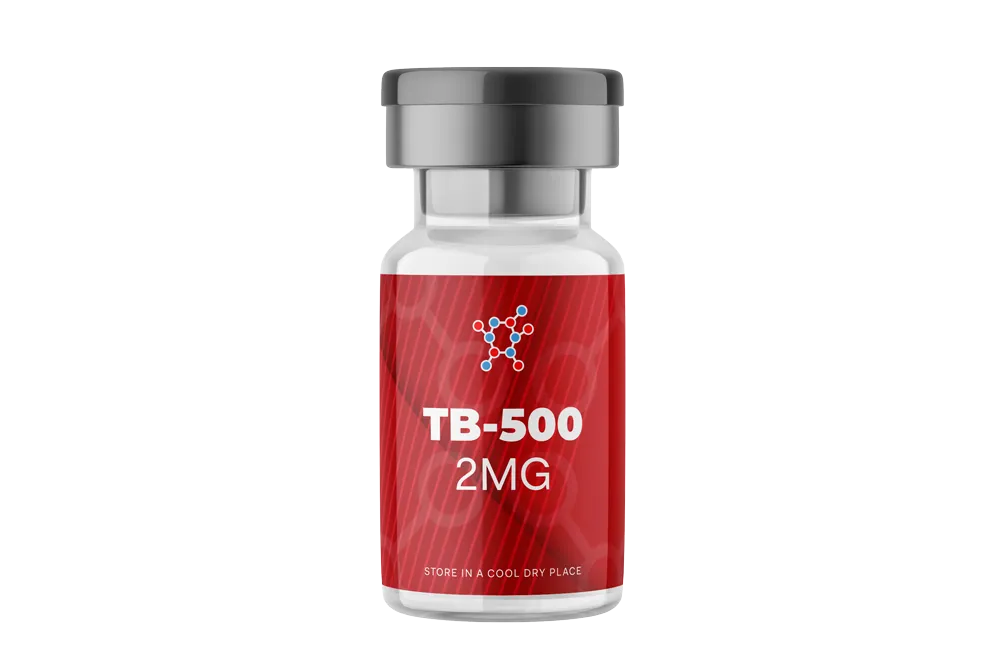
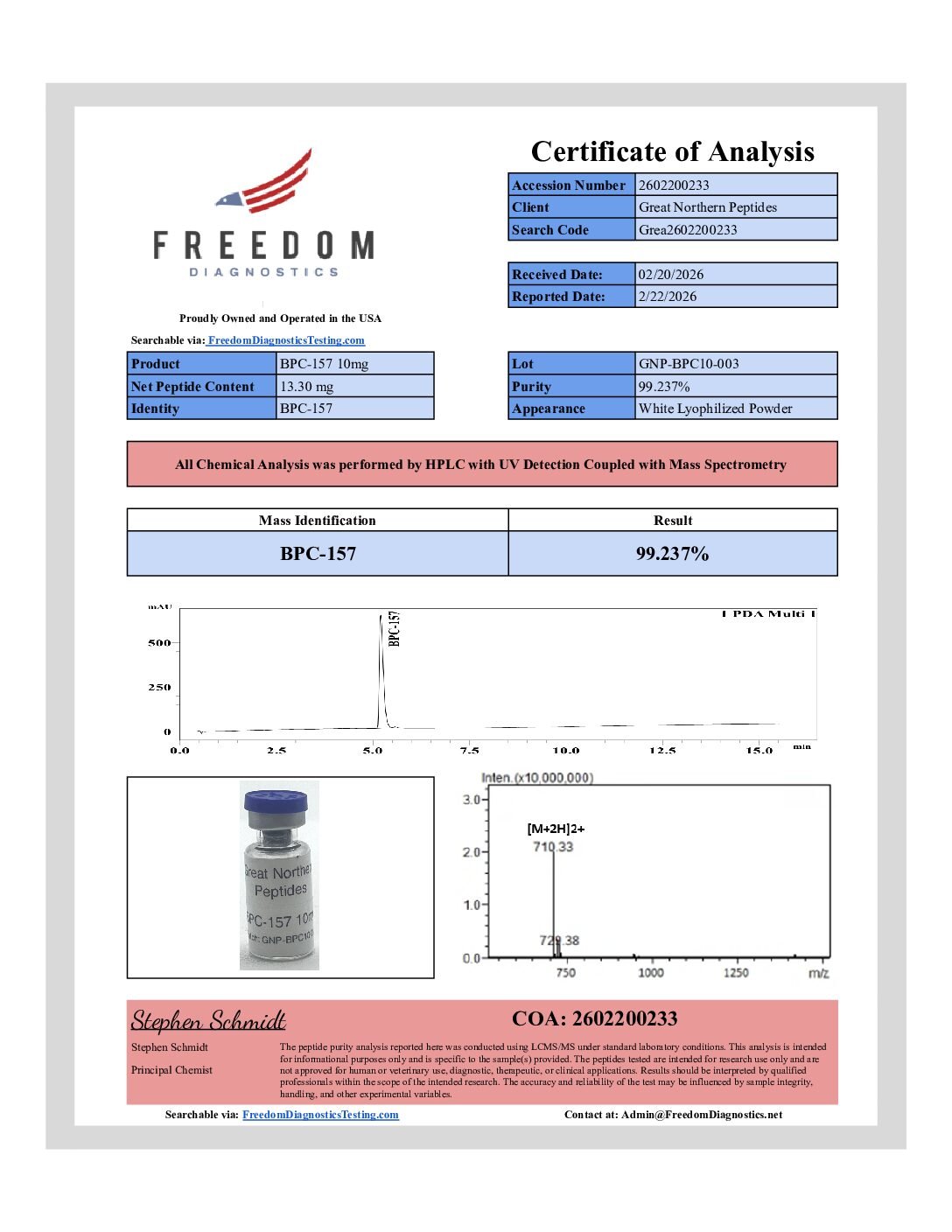
Peptides like BPC-157 and TB-500 are studied for supporting connective tissue repair, which is why they interest people with nagging tendon and ligament issues
Iron deficiency anemia is one of the most common and most undertreated nutritional deficiencies particularly in women, patients with chronic disease, and those recovering from surgery or blood loss
Sterile alpha and toll-interleukin receptor-containing motif (SARM1) inhibitors Building on the therapeutic potential of modulating NAD + pathways, attention has also turned to SARM1, a pivotal enzyme in axon degeneration, functioning through its NAD + hydrolase activity
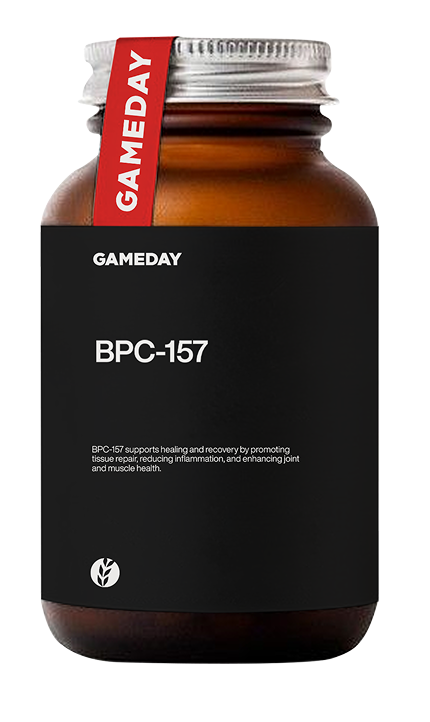
Administration technique Injection basics: Subcutaneous (under skin, not muscle) 29-31 gauge insulin syringe Inject slowly over 5-10 seconds Rotate sites (abdomen, thighs, arms) Reconstitution (if research peptide): Comes as lyophilized powder Reconstitute with bacteriostatic water Common: 2.4mg vial + 1ml water = 2.4mg/ml Refrigerate after mixing Use within 28-30 days Timing considerations: Can inject any time of day Many prefer evening (sleep through peak nausea) Consistency matters (same day weekly) With or without food (doesn't matter) See our peptide injections guide , how to reconstitute peptides , peptide storage guide , bacteriostatic water for peptides , water to mix with peptides , how long reconstituted peptides last in fridge , and lyophilized vs liquid peptides at SeekPeptides
Cassano T, Magini A et al (2019) Early intrathecal infusion of everolimus restores cognitive function and mood in a murine model of Alzheimers disease