For heart health specifically, the NHS and NICE recommend that any calorie-reduced diet should: Include a wide variety of nutrient-dense foods lean proteins, wholegrains, fruits, vegetables, and healthy fats Avoid prolonged fasting or meal skipping , which can cause symptomatic low blood sugar, particularly in people with diabetes or those taking glucose-lowering medicines Maintain adequate hydration the NHS recommends approximately 6 to 8 cups or glasses of fluid per day (NHS: Water, drinks and your health) Be combined with regular, moderate physical activity in line with UK Chief Medical Officers' physical activity guidelines, rather than extreme exercise regimens that further increase caloric demand Individuals with pre-existing cardiovascular conditions, diabetes, or a history of eating disorders should seek personalised guidance from their GP or a registered dietitian before beginning any calorie-restricted programme

Amino SLU-PP-332 appears in research contexts involving ERR agonist research, metabolic pathway studies, mitochondrial biogenesis models
We of course appreciate that GP Practices are under huge pressure at the moment and that many are experiencing staff shortages but there is always a way around these problems
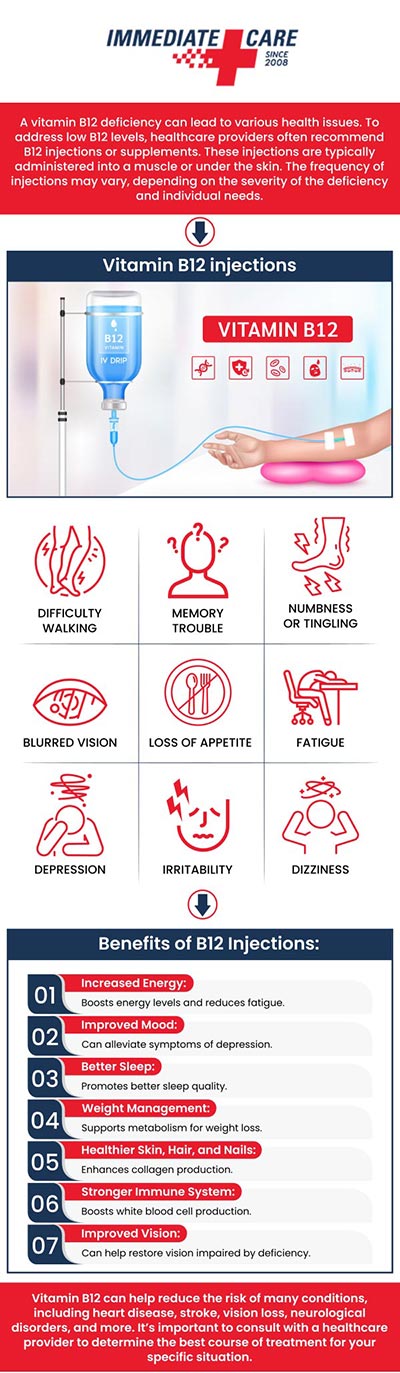
Administered under medical guidance, our B12 injection therapy delivers this essential vitamin directly into the bloodstream for optimal absorption
The Pernicious Anaemia Society notes this is recognised but not fully understood