This is a treatment that is given by injection
The treatment of hormone-sensitive prostate cancer introduced by Charles Huggins is based upon androgen dependence of the tumor and includes bilateral orchiectomy and administration of estrogens, but is linked to adverse side effects 9
Regular monitoring appointments track treatment response, wellness outcomes, and any adjustment needs based on your individual progress and feedback
While its safe for most heart patients, if you have a history of severe heart failure or unstable arrhythmia, we need to do a full medical clearance first

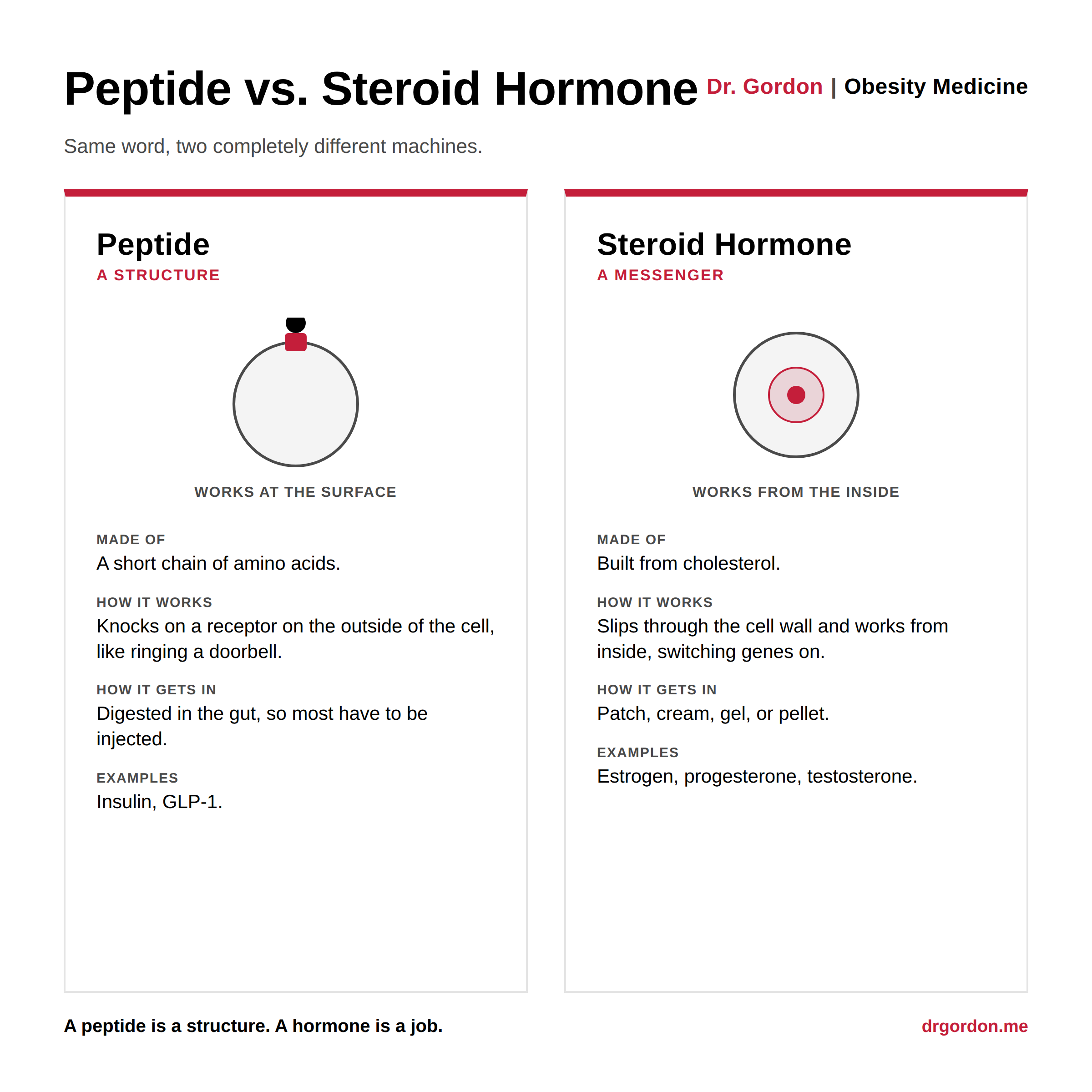
High-dose GHRP-6: Moderate-high risk Why it's concerning: Significant appetite increase (can derail diet) Prolactin elevation (gynecomastia risk in sensitive individuals) Cortisol increase at high doses Water retention When it might be acceptable: Moderate doses (100-200mcg, not 300+mcg) Short-term use (8-12 weeks) If appetite increase isn't problematic Safer alternatives: Ipamorelin (no prolactin/cortisol increase) Lower GHRP-6 doses with careful monitoring Hexarelin: Higher risk than benefits justify Why it's problematic: Rapid desensitization (must cycle frequently) Cortisol and prolactin elevation Heart stress concerns Diminishing returns Limited use cases: Very short cycles (4 weeks maximum) Experienced users only With careful monitoring Better options: Ipamorelin for sustained results GHRP-2 for middle ground Synthetic growth hormone: Highest overall risk Why avoid: Complete shutdown of natural GH production Organ growth (hands, feet, jaw, internal organs) Insulin resistance Expensive Requires PCT (post-cycle therapy) Legal issues in most countries Only justified for: Medical growth hormone deficiency Under physician supervision Replacement doses, not supraphysiological Much safer alternatives: CJC-1295 + Ipamorelin stack Natural peptides that stimulate endogenous GH No shutdown, no PCT needed See peptides vs steroids and peptides vs SARMs for safety comparisons