Berberine is a plant alkaloid sold as an unregulated food supplement in the UK, not a licensed medicine approved by the MHRA It may enhance blood glucose-lowering effects of diabetes medications, increasing hypoglycaemia risk, particularly with insulin and sulphonylureas Potential interactions with anticoagulants (warfarin, DOACs) require specialist advice and may necessitate more frequent INR monitoring Berberine may increase blood levels of statins, immunosuppressants, and other CYP3A4-metabolised drugs, raising toxicity risks Always consult your GP before starting berberine if taking any prescription medications, pregnant, breastfeeding, or have liver or kidney disease Stop berberine at least 2 weeks before planned surgery and report any suspected side effects via the MHRA Yellow Card Scheme Table of Contents What Is Berberine and How Does It Work
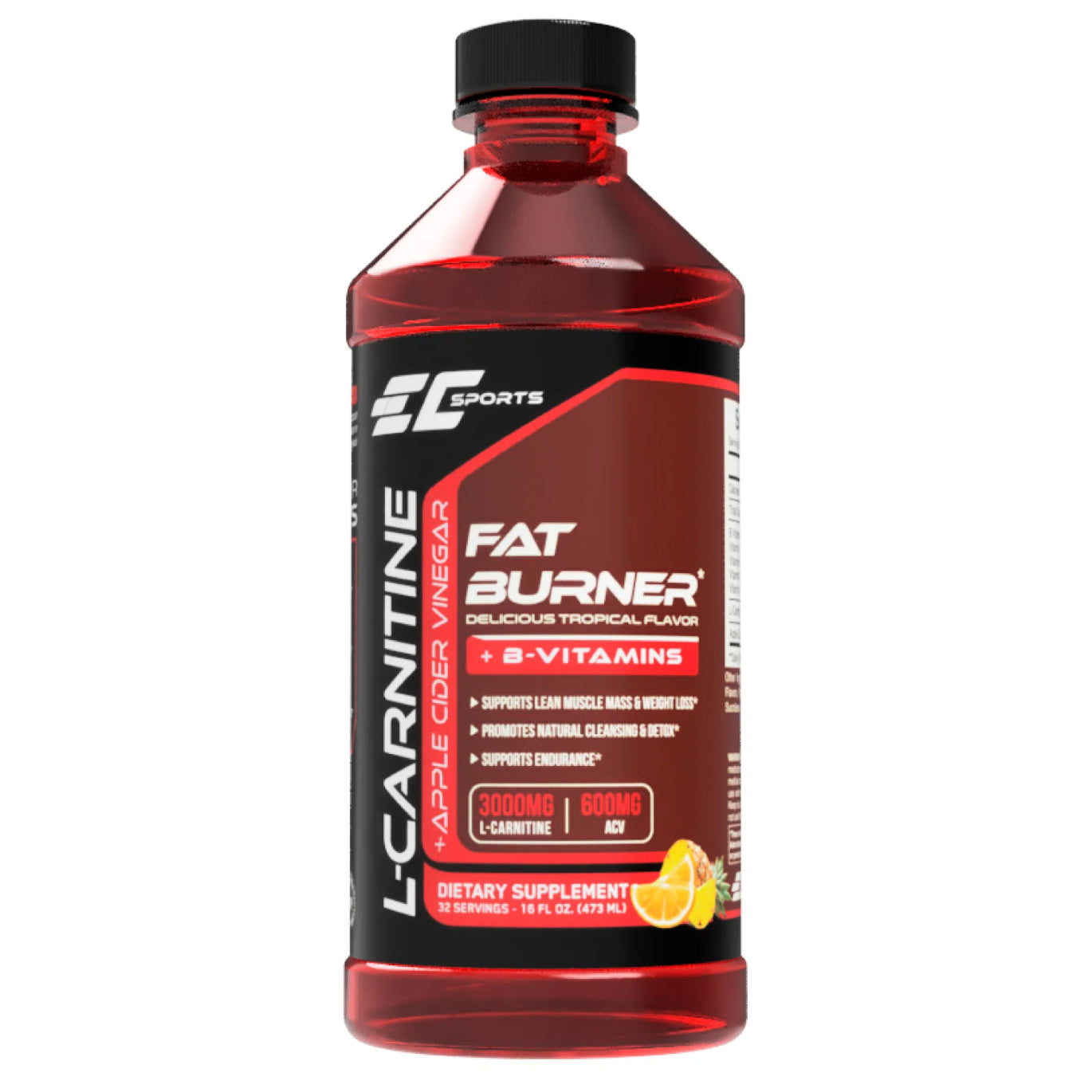
This way, L-carnitine helps burn fat faster, thus assisting in better weight loss
Notably, both DFO and ammonium ferric citrate enhance erastin-induced cell death, implying that although systemic iron overload exists in FRDA, cytosolic iron may still be limiting, and iron metabolism is dysregulated, contributing to cellular vulnerability
Boomer is a chewer, so I keep my Sansevieria plants in high places
Search terms combined peptide agent names with musculoskeletal and perioperative keywords and included BPC-157, body protection compound, pentadecapeptide, thymosin beta-4, TB-500, TB500, GHK-Cu, copper tripeptide, growth hormone secretagogue, CJC-1295, ipamorelin, sermorelin, IGF-1, insulin-like growth factor, collagen peptide, tendon, ligament, cartilage, osteoarthritis, fracture healing, wound healing, perioperative, arthroplasty, total hip arthroplasty, total knee arthroplasty, and total joint arthroplasty