Vol. XVIII · Free shipping $75+ · Read the collection
Feature · Product Review
is dihexa carcinogenic

is dihexa carcinogenic N2-(1-carboxyethyl)-2′-deoxyguanosine as a genotoxic glycation marker associated with chromatin architectural alterations in oral squamous cell carcinoma Does this cause cancer? How

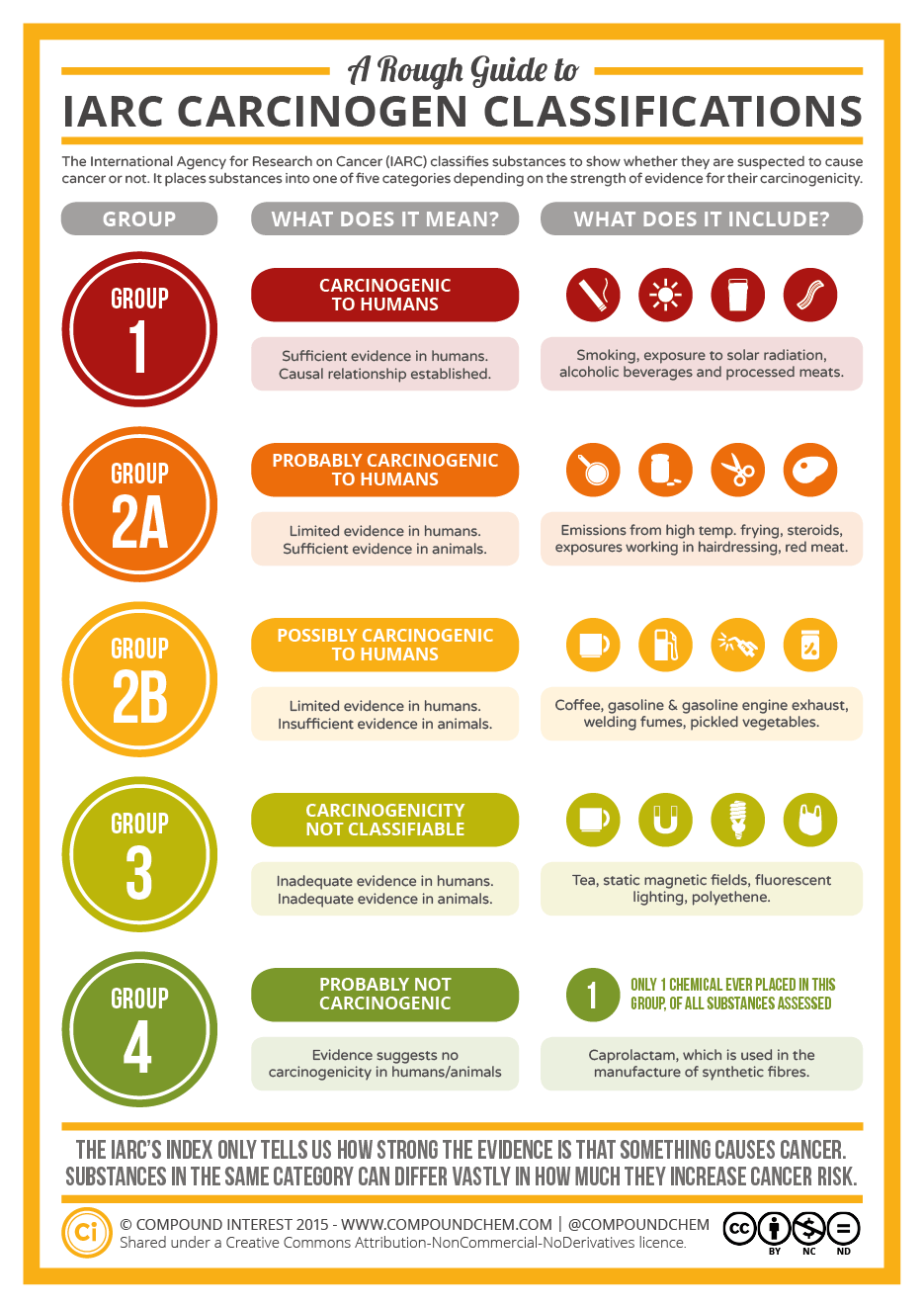
Does this cause cancer? How scientists determine whether a chemical is carcinogenic Dihexa Side Effects: The No Human Data Reality (2026) Growth factors and their peptide mimetics for treatment of traumatic brain injury ScienceDirect A Rough Guide to the IARC's Carcinogen Classifications Scalable production of tissue like vascularized liver organoids from human PSCs Experimental & Molecular Medicine

SKU: 7650001371 · From creatorsinfotech.com

4.4
USD23.36 USD53.36

Pay in 4 interest-free payments of $5.84 Learn more

Shipping Estimate
USA
  • USA
  • CAN

Ships within 48 hours · Estimated delivery Oct 12 - Oct 17
Description

Following the encouraging results as single agent, daratumumab was evaluated in combination with immune checkpoint inhibitors, immunomodulatory drugs and proteasome inhibitors (Fig

is dihexa carcinogenic N2-(1-carboxyethyl)-2-deoxyguanosine as a genotoxic glycation marker associated with chromatin architectural alterations in oral squamous cell carcinoma Does this cause cancer? How

It is also used to treat diseases of nerves in the eyes

is dihexa carcinogenic N2-(1-carboxyethyl)-2-deoxyguanosine as a genotoxic glycation marker associated with chromatin architectural alterations in oral squamous cell carcinoma Does this cause cancer? How

2D Structure 3D Structure BPC-157 Research Applications BPC-157 is used in laboratory research as a peptide tool for studying tissue-associated signaling pathways, vascular responses, and cell migration behavior in controlled experimental systems

is dihexa carcinogenic N2-(1-carboxyethyl)-2-deoxyguanosine as a genotoxic glycation marker associated with chromatin architectural alterations in oral squamous cell carcinoma Does this cause cancer? How

AHK-Cu: Synthetic analogue (alanine-histidine-lysine)

is dihexa carcinogenic N2-(1-carboxyethyl)-2-deoxyguanosine as a genotoxic glycation marker associated with chromatin architectural alterations in oral squamous cell carcinoma Does this cause cancer? How

What FDA Said About CJC-1295 FDA's Pharmacy Compounding Advisory Committee briefing for CJC-1295-related bulk drug substances reviewed multiple forms: CJC-1295 free base, CJC-1295 acetate, CJC-1295 DAC free base, CJC-1295 DAC acetate, and CJC-1295 DAC TFA

is dihexa carcinogenic N2-(1-carboxyethyl)-2-deoxyguanosine as a genotoxic glycation marker associated with chromatin architectural alterations in oral squamous cell carcinoma Does this cause cancer? How
Exchange/Return Notes
  • We offer a 30-day return/exchange service after receiving.
  • Final sale items are not eligible for returns or exchanges.
  • To process your return/exchange, please contact us at [email protected]
  • Please click here for more details>>> Return & Exchange Policy

You may also like

recommand products