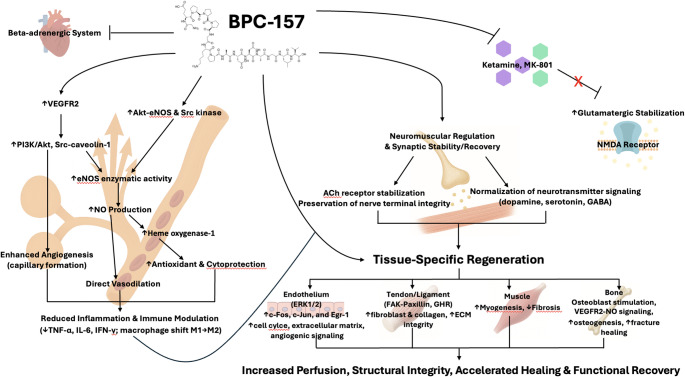
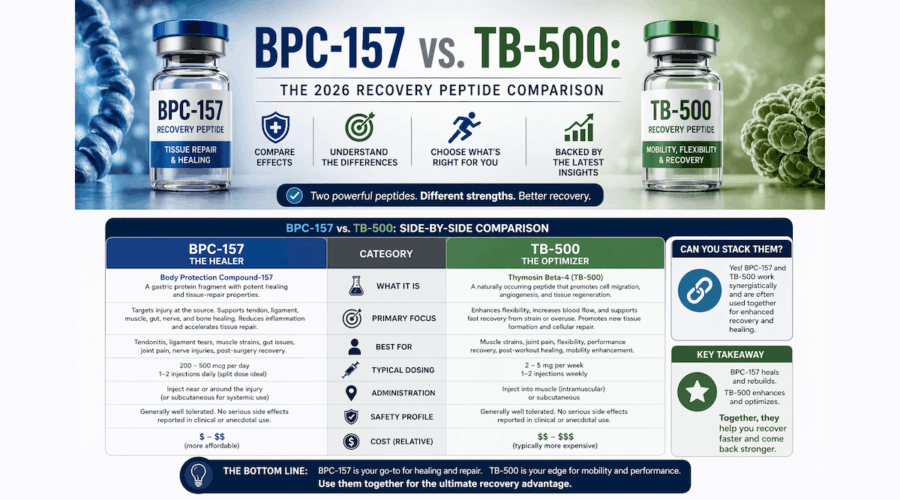
Key structural characteristics include: The peptide exhibits remarkable stability compared to many bioactive peptides, remaining active in gastric acid conditions and showing resistance to enzymatic degradation, making it suitable for diverse experimental applications

Key Points Angiogenesis and VEGF have important roles in the pathogenesis of breast cancer VEGF is regulated by complex factors including hypoxia, growth factors, hormones and activated oncogenes Angiogenic markers, such as VEGF, can be of prognostic and predictive value in breast cancer Clinical trials of antiangiogenic agents such as bevacizumab and tyrosine kinase inhibitors in breast cancer are ongoing Bevacizumab in combination with paclitaxel can improve progression-free survival in patients with previously untreated metastatic breast cancer Challenges facing the success of antiangiogenic therapy in breast cancer include the identification of biomarkers to guide management, overcoming drug resistance and identifying the correct target population This is a preview of subscription content, access via your institution Access options Subscribe to this journal Receive 12 print issues and online access 189,00 per year only 15,75 per issue Buy this article Purchase on SpringerLink Instant access to the full article PDF

Vitamin B12 deficiency can also cause symptoms that affect the brain and nervous system (neurologic symptoms), including: Numbness Muscle weakness Mental health problems, ranging from mild depression or anxiety to confusion and dementia Balance and coordination issues Needles and pins Incontinence What is the best form of vitamin B12 to take
Genetically magnetic control of neural system via TRPV4 activation with magnetic nanoparticles
Learn age-appropriate dosing, side effect management, and muscle preservation strategies for adults over 65