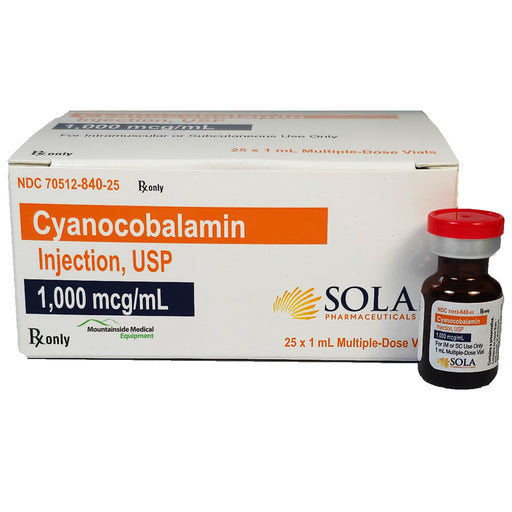
By contrast, vitamin B12 has prescription dosing schedules for deficiency
Bioavailability: 1 to 2% absorbed passively without intrinsic factor Deficiency: only if GI absorption is intact Dosing: daily, high-dose oral Prescription: no, available OTC At home: yes Get a B12 injection prescription Not sure which format fits your situation

Neurological: convulsions, increased intracranial pressure with papilledema (pseudotumor cerebri) usually after treatment, vertigo, headache Endocrine: menstrual irregularities, development of cushingoid state, suppression of fetal intrauterine or childhood growth, lack of secondary response of the adrenal cortex or pituitary gland, particularly in situations of stress such as trauma, surgery or illness, decreased carbohydrate tolerance, manifestations of latent diabetes mellitus, increased requirements of insulin or oral hypoglycemic agents in diabetic patients Ophtalmic: posterior subcapsular cataracts, increased intraocular pressure, glaucoma, exophthalmos Metabolic: negative nitrogen balance due to protein catabolism Psychiatric: euphoria, mood swings, severe depression to frank psychotic manifestations, personality changes, hyperirritability, insomnia Others: anaphylactoid or hypertensive reactions and hypotension or shock-like reaction Cyanocobalamin and hydroxocobalamin: hypervitaminosis and side effects were not observed with their use Dosage and administration Adults Coated tablets: 1 coated tablet 2 times a day

Vitamin B12 works by boosting your metabolism and providing lasting energy, which can help jumpstart your weight loss
In animal models, this translated to meaningful reductions in fat mass without changes in food intake